

About 5 min read
A cybersecurity programme brings assessment, protection and incident response into a common plan. This guide considers how businesses can identify their priorities, assign responsibilities and choose controls that support their systems, data and daily operations.
The Imperative of Advanced Cyber Defense Solutions
Cyber defense solutions are no longer optional; they are essential. Modern businesses face a myriad of threats ranging from ransomware and phishing to sophisticated state-sponsored attacks. To counter these, you must deploy multi-layered defenses that cover every potential vulnerability.
Start by conducting a thorough risk assessment. Identify critical assets, evaluate existing security measures, and pinpoint weaknesses. Then, implement a combination of firewalls, intrusion detection systems, and endpoint protection. These tools work in concert to create a formidable barrier against unauthorized access.
Moreover, invest in continuous monitoring. Real-time threat detection allows you to respond immediately to suspicious activity. Automated alerts and AI-driven analytics can identify patterns that human operators might miss. This proactive approach minimizes damage and reduces downtime.

Data Center with Active Cybersecurity Infrastructure
Training your staff is equally vital. Human error remains a leading cause of breaches. Regular cybersecurity awareness programs empower employees to recognize phishing attempts and follow best practices. Enforce strict access controls and multi-factor authentication to limit exposure.
Integrating Cyber Defense Solutions into Business Operations
Embedding cyber defense solutions into your daily operations requires a strategic mindset. It is not enough to install security software and hope for the best. You must weave security protocols into every process and decision.
Begin with your IT infrastructure. Ensure all software and hardware are up to date with the latest patches. Vulnerabilities in outdated systems are prime targets for attackers. Establish a rigorous update schedule and automate where possible.
Next, develop an incident response plan. This blueprint should detail the steps to take when a breach occurs, including communication protocols, containment measures, and recovery procedures. Regularly test this plan through simulations to ensure readiness.
Collaboration is key. Work closely with trusted cybersecurity partners who bring specialized expertise and resources. For example, leveraging cybersecurity services from established providers can enhance your defenses with cutting-edge technology and expert guidance.
Finally, compliance with relevant regulations is non-negotiable. Data protection laws such as GDPR impose strict requirements on how you handle personal information. Non-compliance can result in severe penalties and reputational damage. Make compliance an integral part of your cyber defense strategy.

Cybersecurity Professional Monitoring Network Security
Choosing the right cybersecurity engagement
A useful engagement begins with a defined business concern: exposed services, account compromise, sensitive information or recovery after an incident. Agree the assets, access permissions and exclusions before testing or making changes.
Ask for clear deliverables, prioritised findings, remediation ownership and a retest plan. A technical report should help the responsible team decide what to fix first and explain the remaining risk to management.
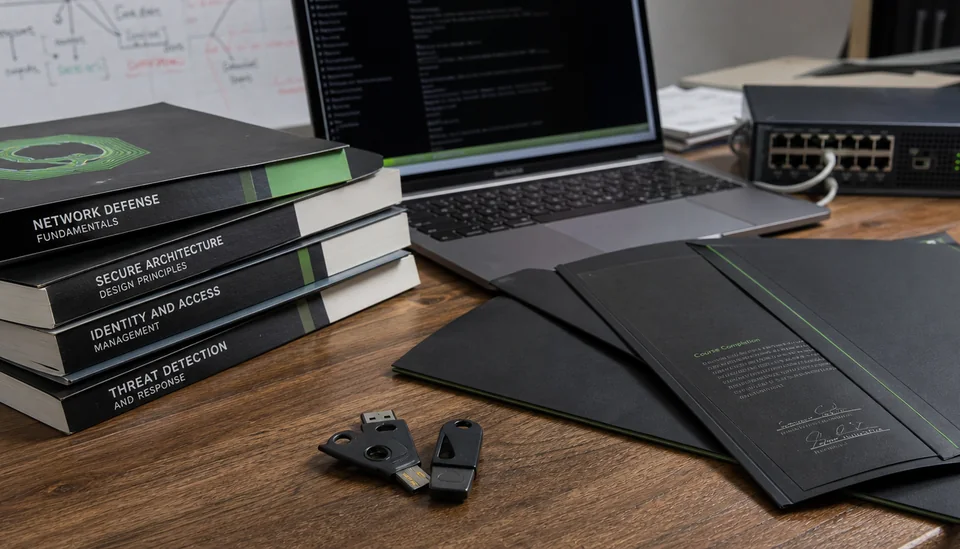
Workspace Showcasing Cybersecurity Certifications and Tools
Practical Steps to Strengthen Your Cybersecurity Posture
Implementing effective cyber defense solutions requires actionable steps that you can take immediately. Here are key recommendations to fortify your security posture:
Conduct Regular Security Audits - Identify vulnerabilities and address them promptly.
Deploy Endpoint Detection and Response (EDR) - Monitor and respond to threats on all devices.
Enforce Strong Password Policies - Use complex passwords and change them regularly.
Implement Network Segmentation - Limit access between different parts of your network.
Backup Data Frequently - Ensure backups are secure and tested for restoration.
Use Encryption - Protect sensitive data both in transit and at rest.
Educate Employees Continuously - Run phishing simulations and security workshops.
Engage with Cybersecurity Experts - Partner with firms that provide comprehensive cybersecurity services.