
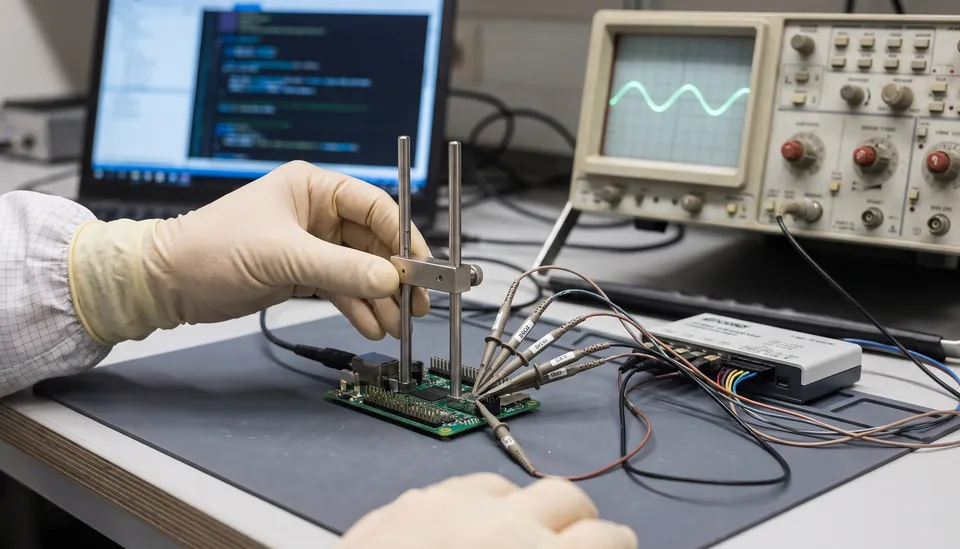
Research and development at TRUST-IT starts with the client’s question. The team combines different IT disciplines to develop tools appropriate to the task. Published research is complemented by internal work on automation and the assessment of emerging vulnerabilities.
Knowledge exchange with penetration testers and researchers informs defensive methods and tools. Proposed techniques are evaluated against defined scenarios, with their assumptions and limitations documented.
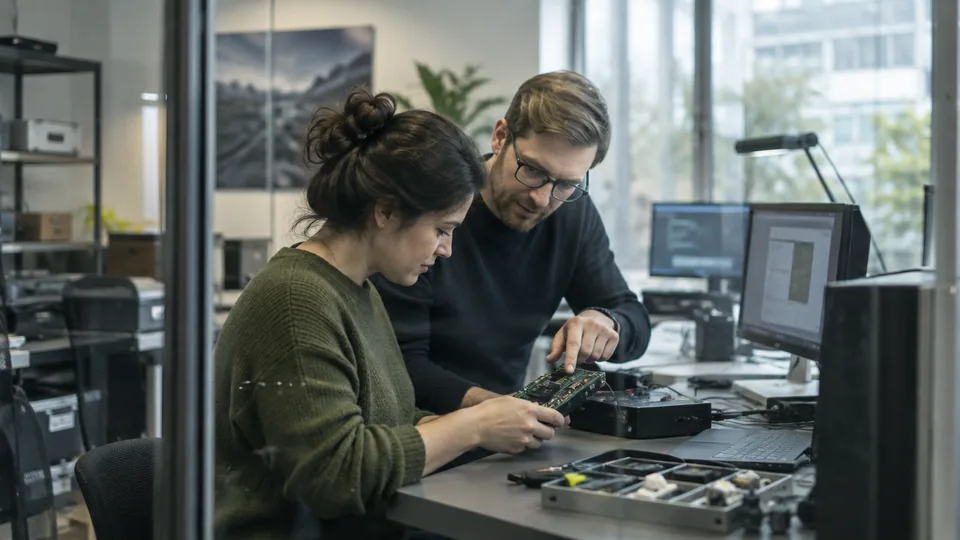
Regular feedback between research and delivery teams connects findings to implementation. Understanding how a system can fail helps inform the design and evaluation of its protection, through responsible, authorised security testing.
Commission research with a measurable decision
A research brief should explain the uncertainty that needs to be reduced. It might concern the feasibility of a prototype, the behaviour of a model on available data or the suitability of a new technical approach. We define the comparison baseline, test conditions and evidence required to decide whether further investment is justified.
The output can include an experimental prototype, documented results and a recommendation to continue, narrow or stop the work. Intellectual property, third-party components and access to test material are agreed for the engagement. Production deployment remains a separate stage with its own reliability, security and support requirements.