Validate monitoring through observable evidence: log collection, detection, analyst triage, escalation and response authority. A dashboard alone cannot demonstrate that the chain works.
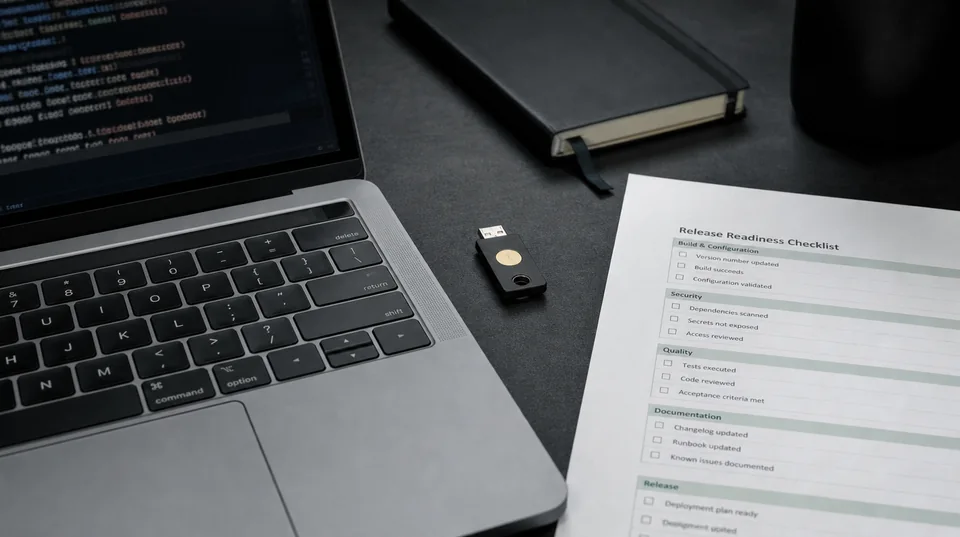
Connect dependencies, source changes, build identity and deployment approval. Learn what an SBOM and build provenance can establish, and which release risks still require separate controls.
Build security exercises around the decisions people actually make. Connect finance, service-desk and executive support training to verification, reporting and usable business controls.
A polished dashboard can conceal missing records or inconsistent definitions. Establish data contracts, reconciliation checks, lineage and accountable handling of quality exceptions.
A restored server is only one part of recovery. Build an evidence-led plan for containment, trusted identities, clean restoration and the return of critical business services.
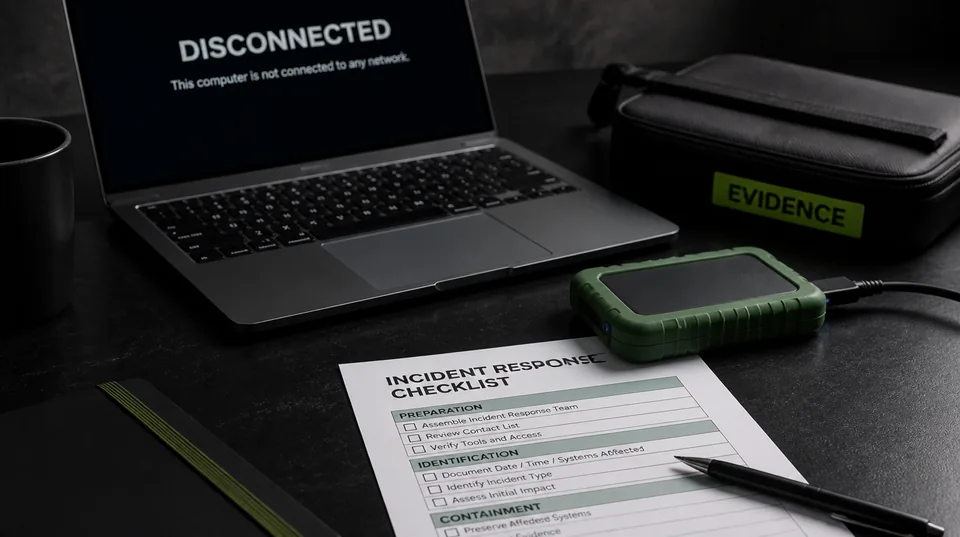
A folder of exported files is not a complete evidence delivery. Define scope, preserve context and verify the collection before legal or investigative review begins.
For digital asset disputes and suspected fraud, distinguish transaction evidence from ownership claims. A useful investigation explains the route, the uncertainty and the next evidence needed.
A fast response is useful only when it reaches the right person. Design cache rules around public content, identity boundaries, invalidation and repeatable isolation tests.
Invoices, contracts and operational records need more than OCR accuracy. Design document automation around field-level evidence, business validation, exceptions and controlled system updates.
An AI model needs an operating system around it. Define release evidence, meaningful monitoring, accountable change control and a fallback that works when production conditions change.
A useful investigation answers a defined question with traceable evidence. This guide explains what to agree before collection and how to assess the report you receive.
A trusted name on a message is only one part of a payment decision. A resilient family office makes verification workable for principals, assistants, finance staff and advisers.
A good demonstration shows possibility. A useful pilot measures whether the complete workflow is better, including human review, errors, integration and cost.
Logging is only part of investigation readiness. The real test is whether the right people can obtain, interpret and preserve the records needed for a business-critical question.
A useful AI pilot needs a narrow purpose, suitable data, and clear boundaries. These decisions help you test value without losing control of the workflow.
A well-scoped test produces findings your team can act on. Preparation connects the technical work to the systems, people, and business processes that matter.
Readiness is a coordinated organisational effort. Start by confirming scope, then connect risk decisions, operational controls, and evidence to named owners.
A useful protection plan follows the person’s actual working habits. It considers accounts, devices, communication, public exposure, and the people who support them.
Remote work extends the organisation’s systems across more networks and devices. A practical review follows access from the person to the application and its data.
The right scope depends on how your organisation uses personal information. Start with processing activities, responsibility, and evidence rather than a generic package.
A useful security programme connects business priorities, technical controls, and people. Evaluate a service by the problem it addresses and the responsibility it takes on.
Understand AI-driven cybersecurity applications, their potential benefits and practical considerations for introducing AI into your security operations.
NIS2 compliance is now enforceable in Greece under Law 5160/2024. Learn who is in scope, the requirements, 2026 deadlines, fines up to €10M, and how to get ready.
Explore cyber threat assessment, layered controls, threat intelligence and recovery planning as parts of a proactive organisational security programme.
Examine TRUST-IT security approaches, implementation considerations and the practical role of a cybersecurity partner in a changing threat environment.
Explore why businesses engage cybersecurity consultants and how specialist assessments and advice can support a stronger organisational security posture.
Learn how TRUST-IT penetration testing, source code analysis and vulnerability assessments help businesses identify gaps and prioritise security improvements.