

Threat analysis is useful when it connects an emerging technique to your own exposure. This guide considers how to interpret threat information, identify relevant risks and use the findings to inform security priorities and incident preparation.
Understanding the Latest Cyber Threat Trends Analysis
Cyber threat trends analysis is essential for anticipating and mitigating risks before they escalate. Recent years have seen a surge in ransomware attacks, supply chain compromises, and advanced persistent threats (APTs). Attackers exploit vulnerabilities in software, human behavior, and network configurations.
For example, ransomware groups now use double extortion tactics, not only encrypting data but also threatening to leak sensitive information. Similarly, supply chain attacks target trusted vendors to infiltrate larger organizations, making detection more difficult.
To counter these threats, it is crucial to monitor threat intelligence feeds, analyze attack patterns, and understand the motivations behind cybercriminal activities. This knowledge enables the development of tailored defense strategies that address specific vulnerabilities.

Key Components of an Effective Cybersecurity Strategy
An effective cybersecurity strategy integrates technology, processes, and people. It must be dynamic, adapting to new threats as they emerge. The following components are fundamental:
Risk Assessment: Identify critical assets and evaluate potential threats and vulnerabilities.
Threat Intelligence: Continuously gather and analyze data on emerging threats.
Incident Response Plan: Develop and regularly update a plan to respond swiftly to breaches.
Employee Training: Educate staff on recognizing phishing attempts and practicing safe online behavior.
Regular Updates and Patching: Ensure all systems and software are up to date to close security gaps.
Access Controls: Implement the principle of least privilege to limit user access to sensitive information.
By combining these elements, organizations can build a resilient defense posture that minimizes exposure and enhances response capabilities.
How do I protect myself from cyber threats?
Protecting yourself from cyber threats requires vigilance and a multi-layered approach. Here are actionable steps to enhance your security:
Use Strong, Unique Passwords: Employ password managers to generate and store complex passwords.
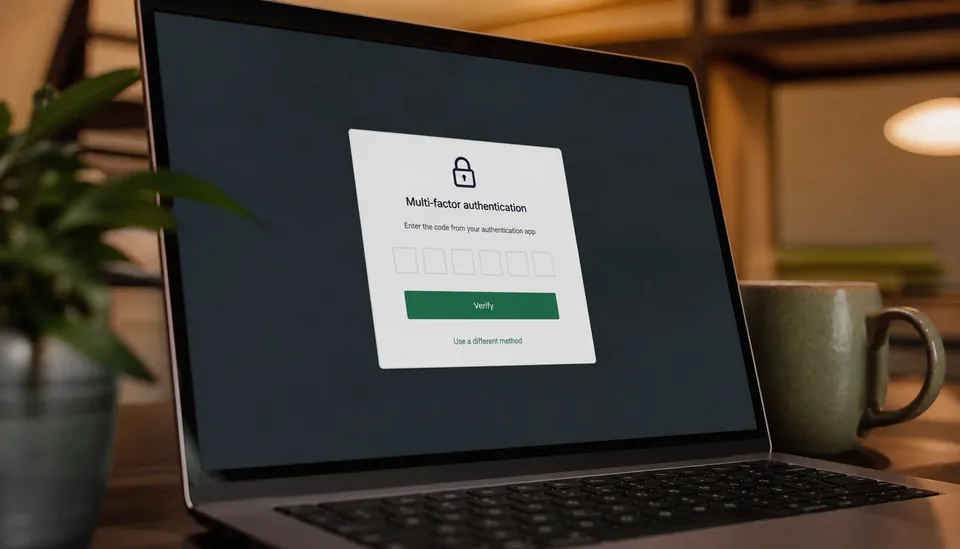
Enable Multi-Factor Authentication (MFA): Add an extra layer of security beyond passwords.
Secure Your Network: Use firewalls, VPNs, and encrypt sensitive communications.
Backup Data Regularly: Maintain offline backups to recover data in case of ransomware attacks.
Be Wary of Suspicious Emails and Links: Verify sender authenticity before clicking or downloading attachments.
Keep Software Updated: Apply patches promptly to fix known vulnerabilities.
Limit Social Media Exposure: Avoid sharing sensitive information that could be used for social engineering.
These measures, when consistently applied, significantly reduce the risk of falling victim to cyberattacks.
Leveraging Technology to Anticipate and Mitigate Threats
Advanced technologies play a pivotal role in detecting and preventing cyber threats. Artificial intelligence (AI) and machine learning (ML) enable real-time analysis of vast data sets to identify anomalies and potential attacks. Behavioral analytics can detect unusual user activities that may indicate insider threats or compromised accounts.
Security Information and Event Management (SIEM) systems aggregate logs and alerts from various sources, providing a centralized view of security events. Automated response tools can isolate affected systems and initiate containment procedures without delay.
Investing in these technologies is not optional but necessary for organizations aiming to maintain a competitive edge in cybersecurity. However, technology alone is insufficient; it must be complemented by skilled personnel and robust policies.
Building a Culture of Cybersecurity Awareness
Technology and policies are only as effective as the people who implement them. Building a culture of cybersecurity awareness is critical. This involves:
Regular Training Sessions: Keep employees informed about the latest threats and best practices.
Simulated Phishing Exercises: Test and reinforce employees’ ability to recognize phishing attempts.
Clear Communication Channels: Encourage reporting of suspicious activities without fear of reprisal.
Leadership Commitment: Ensure executives prioritize cybersecurity and allocate necessary resources.
A well-informed workforce acts as the first line of defense, reducing the likelihood of successful attacks caused by human error.
Staying Ahead: The Continuous Journey
Cybersecurity is not a one-time effort but a continuous journey. Threat actors constantly innovate, requiring ongoing vigilance and adaptation. By integrating comprehensive threat intelligence, leveraging cutting-edge technology, and fostering a security-conscious culture, you can maintain a robust defense.
For those seeking to deepen their understanding and enhance their protective measures, exploring resources on how to stay ahead of cyber threats is invaluable. This approach ensures preparedness against both current and future cyber challenges.
In the ever-changing cyber landscape, proactive engagement and strategic foresight are your strongest allies. Embrace these principles to safeguard your digital environment effectively and confidently.