

Plan AI-assisted cyber defence around available data, analyst review and response controls. Evaluate integration requirements before operational deployment.
Understanding AI-Powered Cyber Defense
AI-powered cyber defense refers to the use of artificial intelligence technologies to detect, prevent, and respond to cyber threats in real time. Unlike conventional security systems that rely heavily on predefined rules and manual intervention, AI systems analyze vast amounts of data, identify patterns, and adapt to new threats autonomously.
The core advantage of AI in cybersecurity lies in its ability to process and learn from data continuously. This enables faster threat detection, reduced false positives, and proactive defense mechanisms. For businesses and individuals with high-value digital assets, AI-powered solutions offer a dynamic shield against evolving cyber risks.
Key components of AI-powered cyber defense include:
Machine Learning (ML): Algorithms that learn from historical data to identify anomalies and predict potential threats.
Behavioral Analytics: Monitoring user and system behavior to detect unusual activities that may indicate breaches.
Automated Response: Immediate action triggered by AI to isolate threats and mitigate damage without human delay.
Threat Intelligence Integration: Combining AI with global threat data to stay ahead of emerging attack vectors.
By integrating these elements, AI-powered cyber defense systems provide comprehensive protection that scales with the complexity of modern cyber threats.
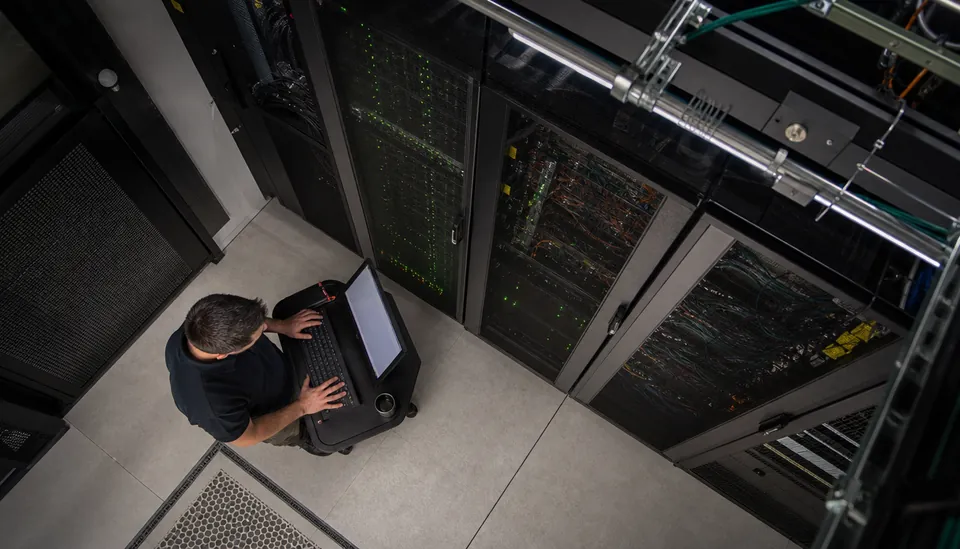
The Role of Trust-IT in AI-Powered Cyber Defense
Trust-IT has positioned itself as a leader in delivering advanced cybersecurity solutions tailored to the needs of businesses, enterprises, and high-profile individuals. Their approach combines cutting-edge AI technologies with deep cybersecurity expertise to create robust defense frameworks.
One of the standout features of Trust-IT’s offerings is their ability to customize AI models based on the unique threat landscape faced by each client. This bespoke approach ensures that defenses are not only reactive but also predictive, anticipating attacks before they occur.
An AI-assisted monitoring design can analyse the network, endpoint and threat-intelligence data made available to it. Coverage, operating hours, retention and response responsibilities must be specified in the engagement; AI does not guarantee detection or autonomous resolution.
For those seeking a trusted partner in cybersecurity, trust-it ai cybersecurity solutions represent a strategic investment. These solutions are designed to integrate seamlessly with existing IT infrastructure, minimizing disruption while maximizing security posture.
Practical benefits of Trust-IT’s AI cybersecurity solutions include:
Reduced Risk Exposure: Early identification of vulnerabilities and threats.
Operational Efficiency: Automation reduces the burden on security teams.
Regulatory Compliance: AI assists in maintaining adherence to data protection laws.
Scalability: Solutions grow with your organization’s needs.

Which AI is Best for Cybersecurity?
Selecting the right AI technology for cybersecurity depends on the specific challenges and goals of the organization. Several AI techniques have proven effective in enhancing cyber defense:
Supervised Learning: This method uses labeled datasets to train models to recognize known threats. It is highly effective for malware detection and spam filtering.
Unsupervised Learning: Useful for identifying unknown threats by detecting anomalies in data without prior labeling. This approach excels in spotting zero-day attacks.
Reinforcement Learning: AI agents learn optimal defense strategies through trial and error, adapting to changing attack patterns.
Natural Language Processing (NLP): Enables AI to analyze textual data such as phishing emails or threat reports, improving detection accuracy.
Deep Learning: Employs neural networks to analyze complex data structures, enhancing capabilities in image recognition and behavioral analysis.
Among these, a hybrid approach often yields the best results. Combining supervised and unsupervised learning allows systems to detect both known and novel threats effectively. Trust-IT’s AI cybersecurity solutions leverage such hybrid models to provide comprehensive coverage.
When evaluating AI for cybersecurity, consider factors such as:
Accuracy: The ability to minimize false positives and negatives.
Speed: Real-time processing capabilities.
Adaptability: How well the AI evolves with emerging threats.
Integration: Compatibility with existing security tools and workflows.
By carefully selecting and implementing AI technologies, organizations can build resilient defenses that keep pace with the rapidly evolving cyber threat landscape.
Practical Applications of AI in Cybersecurity
AI’s impact on cybersecurity extends across multiple domains, offering tangible benefits in real-world scenarios. Here are some key applications:
Threat Detection and Prevention
AI systems analyze network traffic and endpoint data to identify suspicious activities. For example, machine learning models can detect unusual login patterns that may indicate credential theft. Automated alerts enable security teams to respond swiftly, preventing breaches before they escalate.

Incident Response Automation
When a threat is detected, AI can initiate containment measures such as isolating affected devices or blocking malicious IP addresses. This automation reduces response times and limits damage, especially during large-scale attacks.
Fraud Detection
Financial institutions and e-commerce platforms use AI to monitor transactions for fraudulent behavior. By learning typical user patterns, AI flags anomalies that warrant further investigation.
Vulnerability Management
AI tools scan software and systems to identify security weaknesses. Predictive analytics help prioritize patching efforts based on the likelihood of exploitation.
Phishing and Spam Filtering
Natural language processing enables AI to analyze email content and detect phishing attempts with high accuracy, protecting users from social engineering attacks.
These applications demonstrate how AI enhances every stage of the cybersecurity lifecycle, from prevention to recovery.
Building a Future-Ready Cybersecurity Strategy
Adopting AI-powered cybersecurity solutions is not merely a technological upgrade; it requires a strategic mindset. Here are actionable recommendations for integrating AI into your cybersecurity framework:
Assess Your Current Security Posture: Identify gaps and areas where AI can add value.
Define Clear Objectives: Determine what you want to achieve with AI, such as faster detection or improved threat intelligence.
Choose Scalable Solutions: Opt for AI platforms that can grow with your organization’s needs.
Invest in Skilled Personnel: Train your security team to work alongside AI tools effectively.
Implement Continuous Monitoring: Ensure AI systems receive regular updates and threat intelligence feeds.
Maintain Human Oversight: While AI automates many tasks, human judgment remains crucial for complex decisions.
Prioritize Data Privacy and Compliance: Ensure AI deployments adhere to relevant regulations and ethical standards.
By following these steps, organizations can harness the full potential of AI-powered cyber defense while mitigating risks associated with automation.
Embracing AI for Enhanced Cybersecurity Resilience
The digital threat landscape is relentless, but so is the innovation in defense technologies. AI-powered cyber defense represents a paradigm shift, offering unprecedented capabilities to protect critical assets. Trust-IT’s commitment to delivering advanced, tailored AI cybersecurity solutions positions it as a trusted partner for those who demand the highest level of protection.
Incorporating AI into your cybersecurity strategy is no longer optional; it is essential. The ability to detect threats early, respond swiftly, and adapt continuously defines the future of digital security. By leveraging AI intelligently, you can build a resilient defense that safeguards your operations and reputation in an increasingly hostile cyber environment.
Explore how trust-it ai cybersecurity solutions can empower your organization to stay ahead of cyber threats and secure your digital future.