

In today’s digital landscape, cybersecurity is no longer optional. The rapid evolution of cyber threats demands equally advanced defenses. Artificial intelligence (AI) has emerged as a transformative force in cybersecurity, offering innovative tools that enhance threat detection, response, and prevention. Among these advancements, Trust-IT AI cybersecurity solutions stand out as a comprehensive approach to safeguarding digital assets. This article explores the core concepts behind AI-driven cybersecurity, the innovative tools available, and how Trust-IT is shaping the future of digital protection.
The Rise of Innovative AI Security Tools
The integration of AI into cybersecurity represents a paradigm shift. Traditional security measures often rely on static rules and manual monitoring, which can be slow and insufficient against sophisticated attacks. AI security tools leverage machine learning, natural language processing, and behavioral analytics to identify threats in real time and adapt to new attack vectors.
These tools analyze vast amounts of data from network traffic, user behavior, and system logs to detect anomalies that may indicate a breach. For example, AI can recognize unusual login patterns or data exfiltration attempts that would be difficult for human analysts to spot quickly. This proactive approach reduces the window of vulnerability and limits potential damage.
Key features of innovative AI security tools include:
Automated threat detection: AI algorithms continuously scan for suspicious activity without human intervention.
Predictive analytics: Machine learning models forecast potential attack scenarios based on historical data.
Rapid incident response: AI-driven systems can initiate containment protocols immediately upon detecting a threat.
Adaptive learning: These tools improve over time by learning from new threats and adjusting their detection parameters.
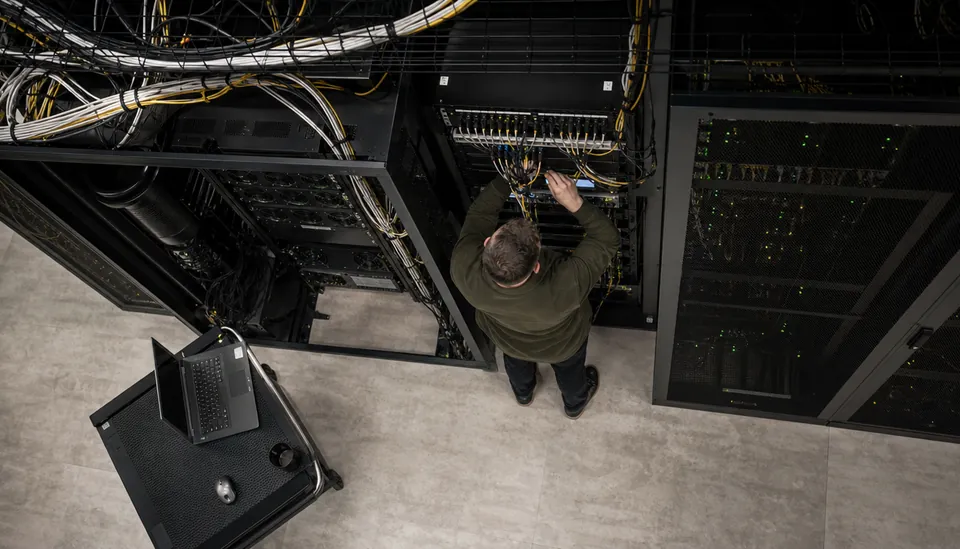
By adopting these tools, organizations can enhance their security posture, reduce operational costs, and improve compliance with regulatory standards.
How AI Enhances Cybersecurity Effectiveness
AI’s ability to process and analyze data at scale is unmatched. This capability is critical in cybersecurity, where the volume and complexity of data can overwhelm traditional systems. AI enhances effectiveness in several ways:
Real-time Monitoring and Analysis
AI systems monitor network traffic and user activities continuously. They use pattern recognition to identify deviations from normal behavior, such as unusual file access or communication with suspicious IP addresses. This real-time insight enables faster detection of breaches.
Reducing False Positives
One of the challenges in cybersecurity is the high rate of false alarms. AI models refine their accuracy by learning from past incidents, reducing unnecessary alerts and allowing security teams to focus on genuine threats.
Threat Intelligence Integration
AI tools aggregate data from multiple sources, including global threat intelligence feeds. This integration helps identify emerging threats and vulnerabilities before they can be exploited.
Automated Response and Remediation
Upon detecting a threat, AI can trigger automated responses such as isolating affected systems, blocking malicious IPs, or initiating patch management. This automation minimizes response time and limits damage.
User Behavior Analytics (UBA)
AI analyzes user behavior to detect insider threats or compromised accounts. For instance, if an employee suddenly accesses sensitive files outside of normal hours, the system flags this for investigation.
These capabilities make AI indispensable for modern cybersecurity strategies, especially for protecting critical infrastructure and sensitive data.
Who Offers the Best AI Cybersecurity Solutions?
Selecting the right AI cybersecurity provider is crucial. The best solutions combine advanced technology with deep expertise in threat intelligence and risk management. Providers must offer scalable, customizable platforms that integrate seamlessly with existing IT environments.
When evaluating AI cybersecurity vendors, consider the following criteria:
Technology sophistication: Look for solutions that use cutting-edge AI models and continuously update their threat databases.
Comprehensive coverage: The platform should protect endpoints, networks, cloud environments, and applications.
Ease of integration: Compatibility with current security tools and IT infrastructure is essential.
Proven track record: Providers with a history of successful deployments and positive client feedback demonstrate reliability.
Support and training: Ongoing support and user education ensure effective use of the technology.
Trust-IT exemplifies these qualities by delivering tailored AI cybersecurity solutions designed to meet the unique needs of businesses, enterprises, and high-profile individuals. Their approach emphasizes not only technology but also strategic intelligence and proactive defense.

Practical Recommendations for Implementing AI Cybersecurity
Adopting AI cybersecurity tools requires careful planning and execution. Here are actionable steps to maximize their benefits:
Conduct a Security Assessment
Begin by evaluating your current security posture. Identify vulnerabilities, critical assets, and potential attack vectors. This assessment guides the selection and configuration of AI tools.
Define Clear Objectives
Establish what you want to achieve with AI cybersecurity—whether it’s faster threat detection, improved incident response, or enhanced compliance.
Choose the Right Solution
Select AI tools that align with your objectives and integrate well with your existing systems. Consider scalability to accommodate future growth.
Train Your Team
Ensure your security personnel understand how to use AI tools effectively. Training should cover interpreting AI alerts, managing automated responses, and maintaining the system.
Implement in Phases
Roll out AI cybersecurity solutions gradually. Start with critical areas and expand coverage as confidence and expertise grow.
Monitor and Optimize
Continuously monitor AI system performance and update models based on new threat intelligence. Regularly review alerts and refine detection rules.
Maintain Human Oversight
While AI automates many tasks, human judgment remains essential. Analysts should validate AI findings and make strategic decisions.
By following these recommendations, organizations can harness the full potential of AI cybersecurity while minimizing risks.
The Future of Cybersecurity with AI
The cybersecurity landscape will continue to evolve, driven by increasingly sophisticated threats and technological advancements. AI will play a central role in this evolution, enabling more intelligent, adaptive, and resilient defenses.
Emerging trends include:
Explainable AI: Enhancing transparency so security teams understand how AI makes decisions.
AI-powered threat hunting: Proactively searching for hidden threats using AI analytics.
Integration with zero trust architectures: Using AI to enforce strict access controls and continuous verification.
Collaboration across industries: Sharing AI-driven threat intelligence to improve collective security.
As these trends develop, solutions like trust-it ai cybersecurity solutions will remain at the forefront, providing comprehensive protection tailored to the needs of businesses and individuals alike.
In embracing AI cybersecurity, organizations not only defend against current threats but also prepare for the challenges of tomorrow. The combination of human expertise and AI innovation is the key to securing digital futures.
By understanding and implementing innovative AI security tools, you position your digital environment for robust protection. Trust-IT’s commitment to excellence and advanced technology makes it a trusted partner in this critical endeavor.