

About 4 min read
Enterprise security needs a shared view of infrastructure, data, people and responsibilities. This article outlines measures and practical considerations for building a coordinated protection programme and reviewing its effectiveness as the organisation changes.
Understanding the Core of Enterprise Protection Strategies
Security is not a single product or a one-time fix. It is a continuous process that integrates technology, policies, and human vigilance. Start by conducting a thorough risk assessment. Identify critical assets, potential vulnerabilities, and threat vectors. This foundational step informs every subsequent decision.
Implement layered defenses. For example, combine firewalls, intrusion detection systems, and endpoint protection to create multiple barriers against attackers. Do not overlook physical security controls such as access badges and surveillance cameras, which complement digital safeguards.
Train your workforce rigorously. Human error remains a leading cause of breaches. Regular, mandatory training sessions on phishing awareness, password hygiene, and incident reporting empower employees to act as your first line of defense.
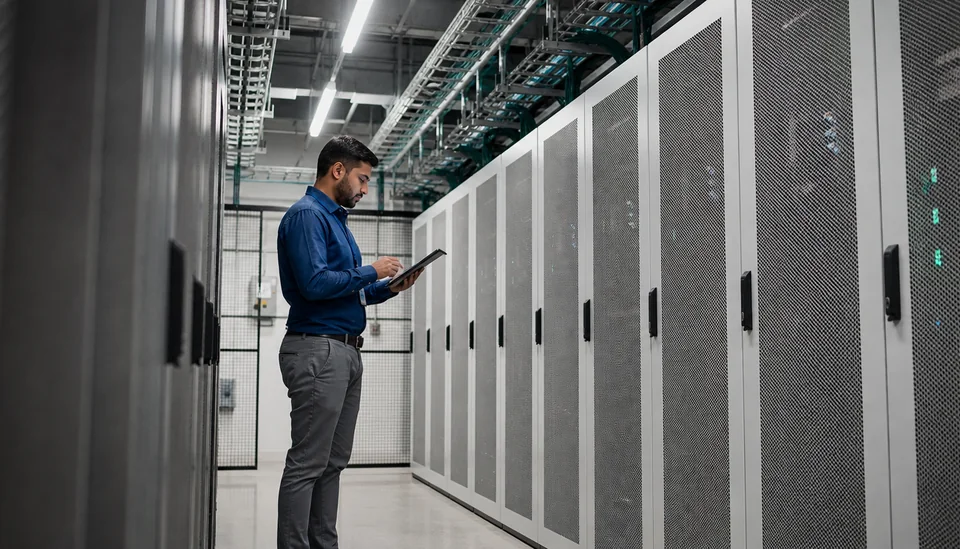
Data Centre Infrastructure Securing Enterprise Assets.
Key Enterprise Protection Strategies to Implement Immediately
To build a resilient security framework, focus on these critical strategies:
Zero Trust Architecture
Assume no user or device is trustworthy by default. Enforce strict identity verification and least privilege access. This minimizes lateral movement within your network if a breach occurs.
Multi-Factor Authentication (MFA)
Require multiple forms of verification before granting access. MFA drastically reduces the risk of compromised credentials leading to unauthorized entry.
Regular Patch Management
Keep all software and hardware updated. Cybercriminals exploit known vulnerabilities, so timely patching is non-negotiable.
Data Encryption
Encrypt sensitive data both at rest and in transit. This ensures that even if data is intercepted or stolen, it remains unintelligible to unauthorized parties.
Incident Response Planning
Develop and routinely test a detailed incident response plan. Preparation enables swift containment and recovery, minimizing damage and downtime.
Continuous Monitoring and Analytics
Deploy tools that provide real-time visibility into network activity. Use analytics to detect anomalies and potential threats before they escalate.
Vendor Risk Management
Assess and monitor the security posture of third-party vendors. Their vulnerabilities can become your liabilities.

Real Time Monitoring For Proactive Threat Detection
Leveraging Advanced Technologies for Enterprise Security
Modern threats demand modern solutions. Incorporate cutting-edge technologies to stay ahead:
Artificial Intelligence and Machine Learning
Use AI-driven tools to analyze vast data sets, identify patterns, and predict attacks. These technologies enhance threat detection accuracy and speed.
Cloud Security Solutions
As organizations migrate to cloud environments, implement cloud-native security controls. Ensure proper configuration, access management, and continuous compliance monitoring.
Security Information and Event Management (SIEM)
Centralize log collection and analysis to gain comprehensive insights. SIEM platforms facilitate faster incident detection and forensic investigations.
Endpoint Detection and Response (EDR)
Equip endpoints with advanced detection capabilities that can isolate and remediate threats autonomously.
Adopting these technologies requires strategic planning and skilled personnel. Invest in training your IT teams or partner with trusted experts to maximize effectiveness.
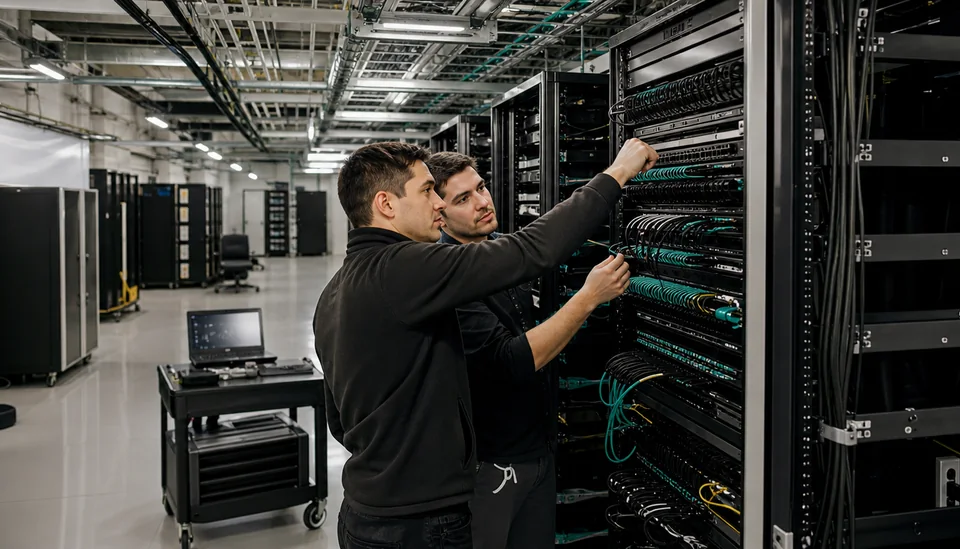
State-of-the-art data center supporting enterprise security infrastructure
Integrating enterprise security solutions into Your Organization
Choosing the right security partner is crucial. I recommend engaging with providers who understand your unique challenges and regulatory environment. For organizations in Greece and Europe, Trust-IT stands out as a leader in delivering tailored cybersecurity services.
Their offerings include:
Comprehensive risk assessments
Customized security architectures
Proactive threat hunting
Compliance management aligned with GDPR and other regulations
By integrating such expert solutions, you ensure your defenses are robust, adaptive, and aligned with best practices. Do not settle for generic products; demand solutions designed for your enterprise’s scale and complexity.
Sustaining Security Excellence Over Time
Security is a journey, not a destination. Maintain vigilance by:
Conducting periodic audits and penetration tests
Updating policies to reflect evolving threats and business changes
Encouraging a culture of security awareness at all organizational levels
Allocating sufficient budget and resources to cybersecurity initiatives