
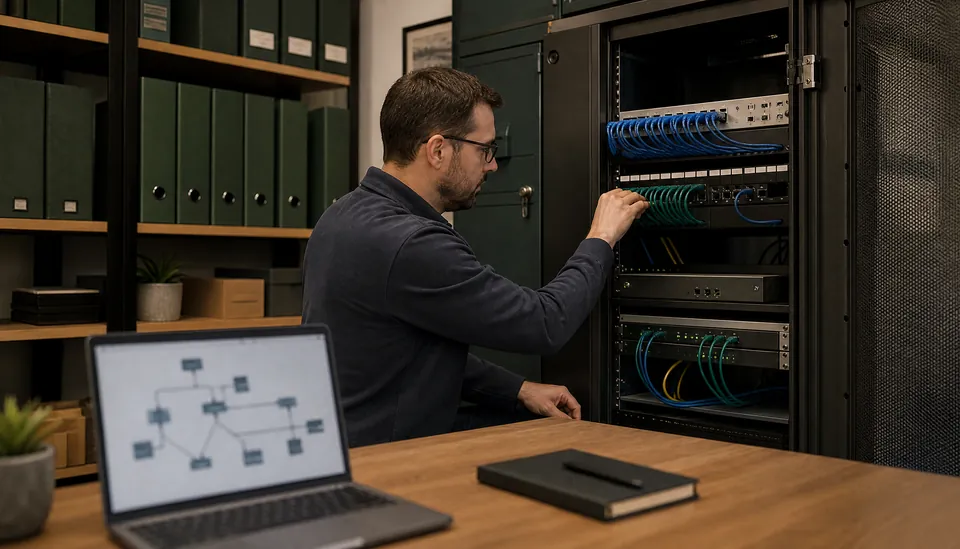
Remote access connects employees, devices and cloud services beyond the office network. This guide examines access controls, device protection, network visibility and response planning to help organisations assess the security of that environment.
Understanding the Importance of Remote Network Security Tips
Remote network security is the backbone of any organization’s cybersecurity framework. Without it, sensitive data, intellectual property, and critical infrastructure become vulnerable to unauthorized access, data breaches, and cyberattacks. The complexity of remote environments demands a comprehensive approach that includes technology, policies, and continuous monitoring.
To illustrate, consider a multinational company with employees accessing corporate resources from various locations worldwide. Without proper safeguards, a single compromised device could expose the entire network. Therefore, implementing effective remote network security tips is crucial to maintaining confidentiality, integrity, and availability of information.
Key components of remote network security include:
Strong authentication mechanisms to verify user identities.
Encrypted communication channels to protect data in transit.
Endpoint security to safeguard devices connecting remotely.
Regular updates and patches to close vulnerabilities.
Continuous monitoring and incident response to detect and mitigate threats promptly.
These elements work in unison to create a secure remote access environment that supports business continuity and trust.
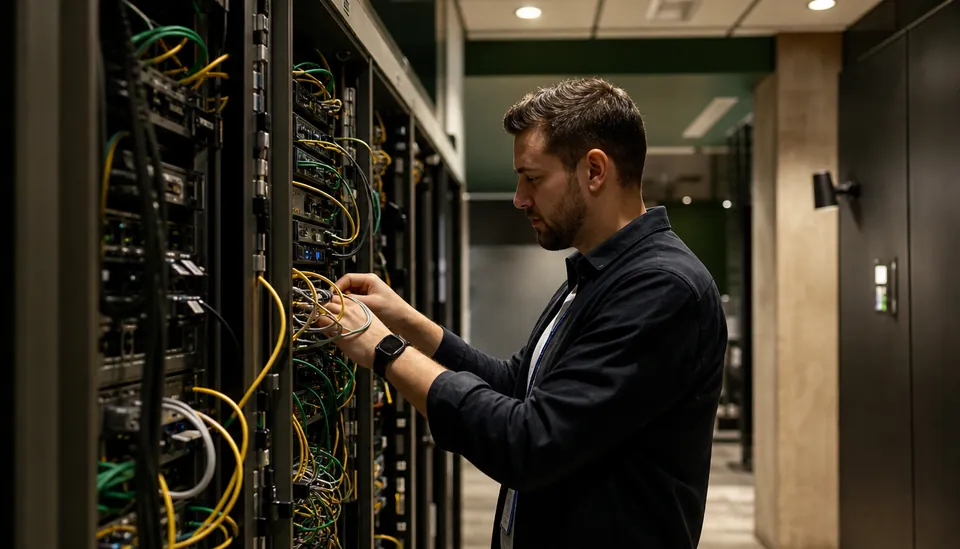
Implementing Effective Remote Network Security Tips
To build a resilient remote network, use a layered security approach. This strategy minimizes risks by combining multiple defenses, making it harder for attackers to penetrate your systems.
1. Enforce Multi-Factor Authentication (MFA)
MFA requires users to provide two or more verification factors before gaining access. This could be a password plus a fingerprint scan or a one-time code sent to a mobile device. MFA significantly reduces the risk of credential theft and unauthorized access.
2. Use Virtual Private Networks (VPNs)
VPNs create encrypted tunnels between remote devices and corporate networks. This encryption prevents eavesdropping and data interception on public or unsecured networks. Ensure your VPN solution supports strong encryption protocols and is regularly updated.
3. Deploy Endpoint Protection
Every device connecting remotely is a potential entry point for attackers. Endpoint protection software, including antivirus, anti-malware, and firewall solutions, helps detect and block malicious activities. Additionally, enforce device compliance policies to ensure only secure and updated devices access your network.
4. Regularly Update and Patch Systems
Cybercriminals exploit known vulnerabilities in software and hardware. Establish a rigorous patch management process to apply security updates promptly. This practice reduces the attack surface and protects against emerging threats.
5. Educate Users on Security Best Practices
Human error remains a leading cause of security breaches. Conduct regular training sessions to raise awareness about phishing, social engineering, and safe internet habits. Empower users to recognize and report suspicious activities.
6. Monitor Network Traffic and Access Logs
Continuous monitoring enables early detection of anomalies and potential intrusions. Use advanced analytics and threat intelligence to identify unusual patterns and respond swiftly. Maintain detailed access logs for auditing and forensic investigations.
By integrating these remote network security tips, you create a robust defense that adapts to evolving cyber threats and supports secure remote operations.

What is the safest option for remote network access?
When evaluating the safest option for remote network access, it is essential to balance security, usability, and scalability. Among various solutions, Zero Trust Network Access (ZTNA) stands out as the most secure and modern approach.
ZTNA operates on the principle of "never trust, always verify." Unlike traditional VPNs that grant broad network access once authenticated, ZTNA enforces strict access controls based on user identity, device posture, and contextual factors. Access is granted only to specific applications or resources, minimizing lateral movement within the network.
Key advantages of ZTNA include:
Granular access control that limits exposure.
Continuous verification of user and device trustworthiness.
Reduced attack surface by segmenting network resources.
Improved user experience with seamless and secure access.
Implementing ZTNA requires integration with identity providers, endpoint security tools, and cloud services. While it may involve initial investment and complexity, the enhanced security posture justifies the effort, especially for organizations handling sensitive data or operating in high-risk environments.
Leveraging remote network protection services for Comprehensive Security
To achieve optimal security, many organizations turn to specialized remote network protection services. These services offer expert management, advanced threat detection, and rapid incident response tailored to remote environments.
Benefits of engaging professional remote network protection services include:
Access to cutting-edge security technologies without heavy capital expenditure.
24/7 monitoring and support by experienced cybersecurity professionals.
Customized security policies aligned with business needs and compliance requirements.
Proactive threat hunting and vulnerability assessments to stay ahead of attackers.
Scalable solutions that grow with your organization.
By partnering with trusted providers, you can focus on core business activities while ensuring your remote network remains secure against sophisticated cyber threats.
Best Practices for Maintaining Remote Network Security Over Time
Security is not a one-time effort but an ongoing process. To maintain a strong defense, consider these practices:

Conduct regular security audits and penetration tests to identify weaknesses.
Update security policies and procedures to reflect new threats and technologies.
Implement role-based access control (RBAC) to limit permissions based on job functions.
Backup critical data frequently and test recovery plans to ensure business continuity.
Stay informed about emerging cyber threats through threat intelligence feeds and industry reports.
Foster a security-first culture by encouraging collaboration between IT, security teams, and end-users.
Consistent application of these practices will reinforce your remote network security posture and reduce the likelihood of successful attacks.
By embracing these essential remote network security tips, you position your organization to withstand the challenges of today’s digital landscape. The combination of strong authentication, encrypted connections, endpoint protection, and continuous monitoring forms a formidable defense. Moreover, adopting advanced solutions like Zero Trust Network Access and leveraging expert remote network protection services ensures comprehensive coverage.
Security is a journey, not a destination. Stay vigilant, adapt to new threats, and prioritize the protection of your digital assets. Your commitment to robust remote network security will safeguard your operations, reputation, and future growth.