
eDiscovery & technical litigation support
Turn dispersed electronic information into a structured, traceable evidence set. We support legal teams and organisations with technical preservation, collection, processing and analysis for disputes and investigations.
Discuss your requirements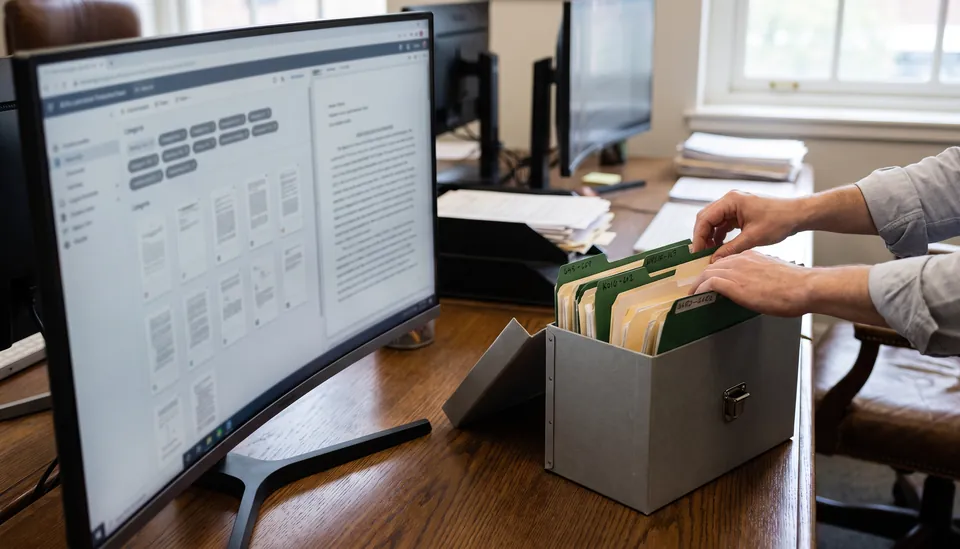
Digital forensics expertise
Registered digital evidence experts
TRUST-IT has digital evidence experts and examiners registered on the expert rosters of the Athens Court of First Instance and the Public Prosecutor’s Office at the Athens Court of First Instance.
Discuss your matterAgree the matter and the information boundaries
We begin with counsel or the authorised matter owner: the issues in dispute, relevant custodians, systems, dates and expected outputs. Legal advisers direct legal holds, disclosure duties, privilege and procedural requirements. We translate their instructions into a technical collection and processing plan, identify inaccessible sources and document dependencies before work starts.
Preserve and collect proportionately
Relevant information may sit in email, shared drives, collaboration platforms, devices, backups and specialist business systems. We map each source to its owner, access method and available export options. The plan records what is preserved, what is collected and what remains outside scope. Collection manifests, handling records and integrity checks where applicable make the path from source to review set traceable.
Prepare material for an efficient review
Processing can include metadata extraction, text recognition, duplicate identification and consistent treatment of related messages and attachments. Search terms, date filters and language handling are tested against samples to understand what may be missed. Greek and English material can require different search variants and text-quality checks. We document processing choices, exceptions and document identifiers so results can be explained and reproduced where possible.
Support analysis without replacing legal judgement
We can build communication timelines, identify document versions, compare records and investigate technical questions raised during review. AI-assisted classification or summaries can be scoped with access controls and human validation; a generated summary is not a substitute for the underlying evidence. Counsel determines responsiveness, privilege and legal relevance. Technical reports make clear which statements arise from source records and which are analytical interpretations.
Deliver and close the matter deliberately
Output formats, exhibit conventions and secure transfer are agreed with the receiving team. We retain the link between processed documents and their source information and record any agreed redaction or transformation. Technical briefings and review of an opposing report can be included. The engagement closes with an agreed retention, return or deletion plan, subject to instructions from the responsible legal team.

Define custodians, sources and a reviewable collection
A legal matter may involve selected employees, shared folders, mailboxes and business applications. We work with the authorised legal team to identify the technical sources and collection boundaries. The plan records the time period, preservation requirements and who can approve changes. Clear scoping helps avoid collecting large volumes that do not contribute to the agreed questions.
Reduce review effort without hiding the method
Processing can include identifying duplicate material, extracting searchable text and organising records by agreed metadata. Search terms and filters should be tested against representative material, with their limitations recorded. The legal team remains responsible for relevance and privilege decisions. Technical support makes the collection easier to review while preserving traceability back to its source.
Prepare consistent productions and technical explanations
An agreed delivery can include files, indexes and technical notes suited to the receiving team or review platform. We document transformations and relevant exclusions so another reviewer understands what was produced. If a technical finding needs explanation, the supporting source references and method should be available at an appropriate level of detail. Retention and closure arrangements are agreed with the authorised parties.
Reconcile collection completeness and processing exceptions
We compare the approved source list with collection and export reports, identifying failed locations, unsupported items and unexplained count differences. Messages, attachments, versions and processed review records are reconciled using their actual counting units. Search validation can use known relevant samples and authorised checks of excluded material. The exception register explains what remains unavailable or unreviewable, rather than allowing a successful export status to stand in for a completeness assessment.
Validate the production package before release
The agreed quality review checks native files, searchable text, metadata mapping, document families and the receiving platform’s requirements. Where redactions are instructed, we examine the included representations so a native file or text sidecar does not contradict the intended disclosure. Transfer manifests, integrity checks and recipient acceptance make handover traceable. Counsel retains responsibility for privilege and disclosure decisions; our work supplies the technical evidence needed to apply and verify those instructions.
What you receive
- Source and custodian map with collection plan
- Preservation and collection records
- Processed review set with metadata and exception log
- Technical timelines, exhibits and explanatory report
- Agreed export package and evidence disposition record
- Custodian and source collection plan with processing history
- Production index and technical notes for the agreed receiving workflow
- Collection-to-production reconciliation with a documented exception register
- Production quality checks for metadata, document families and redaction consistency
Common questions
Will the evidence automatically be admissible?
No. Admissibility and procedural acceptance depend on the jurisdiction, case and decision-maker. We provide documented technical work to support the legal team’s assessment.
Do you provide legal advice or decide privilege?
No. Legal counsel directs legal questions, privilege and disclosure. We provide technical collection, processing and analysis.
Can you work with our existing review platform?
We assess its supported formats, access arrangements and export requirements, then agree a compatible workflow and validation sample.
Can you work with material already collected by another provider?
We can assess the supplied collection and its documentation. Any uncertainty about origin, completeness or earlier transformations is recorded before analysis or further processing.
Can AI assist with document review?
It can be evaluated for defined support tasks, such as organisation or draft summaries, with human review and access controls. Legal relevance, privilege and production decisions remain with the responsible legal team.
Can you review a collection before it reaches our legal review team?
Yes. We can scope a technical quality review of provenance, coverage, processing exceptions, usable formats and delivery consistency. The result identifies supported conclusions and gaps; it does not certify legal admissibility or decide which material should be disclosed.
Related established services
Digital forensics and computer investigationsConnected expertise
All services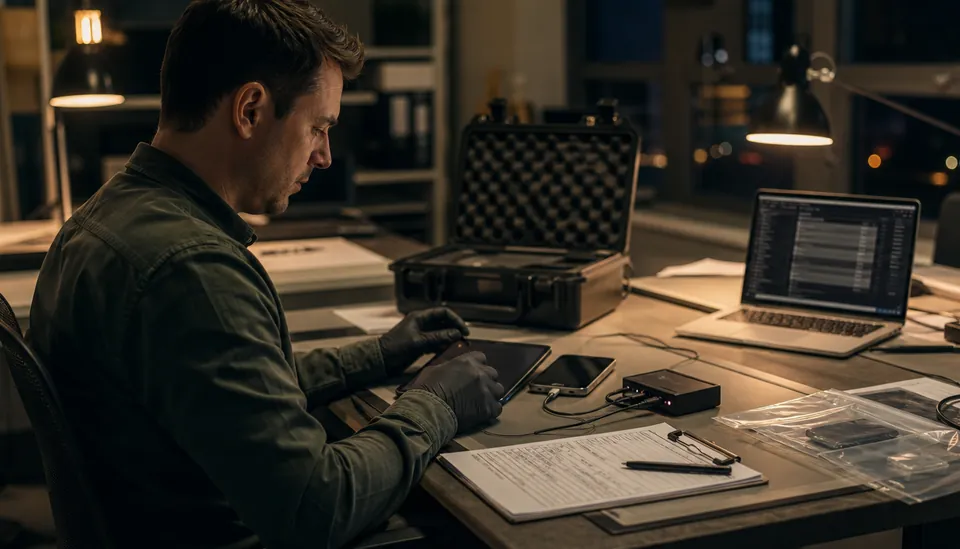
Computer & mobile forensics
Forensic examination of computers, phones, storage media and backups, with documented acquisition, timelines and evidence limitations.
Explore service
Corporate & insider investigations
Confidential technical investigations into suspected insider activity, IP loss, digital fraud and misuse of corporate information.
Explore service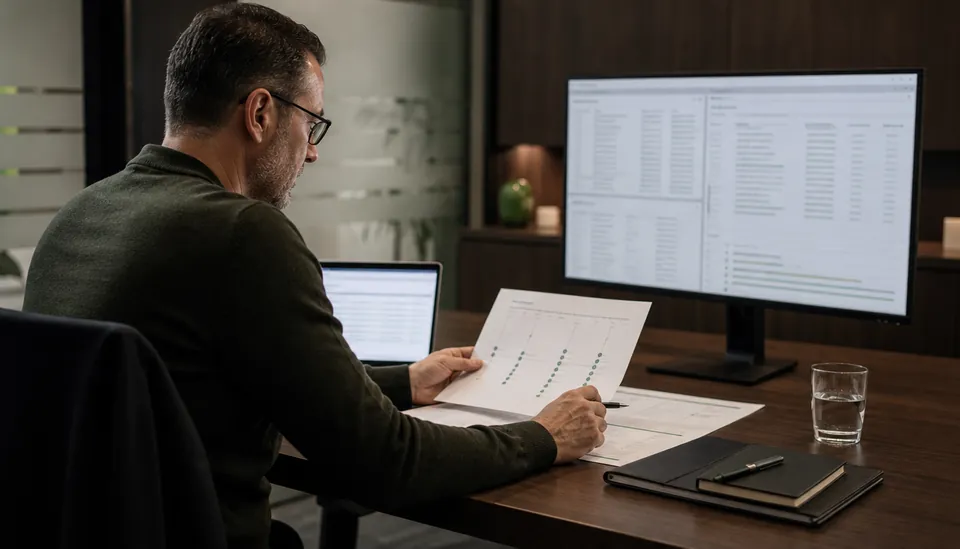
Email & cloud investigations
Investigations across Microsoft 365, Google Workspace and cloud environments, including business email compromise, access and data sharing.
Explore service